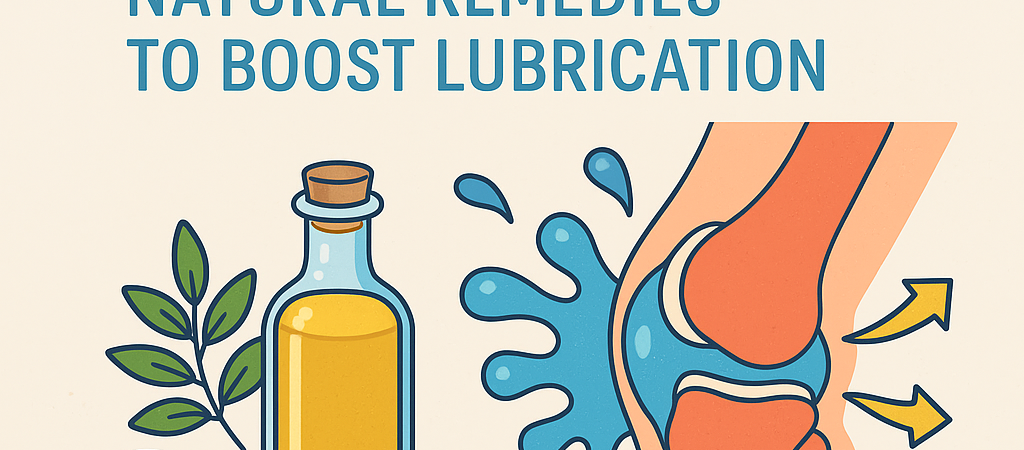
Maintaining joint health is essential for overall mobility, quality of life, and optimal physical function. Joint issues can stem from a variety of factors, including age, genetics, injury, or inflammation. A common concern among those dealing with joint pain and stiffness is the reduction of synovial fluid, which acts as a lubricant in the joints. Fortunately, there are numerous natural remedies that can help enhance joint lubrication and promote joint health.
Understanding Joint Lubrication
Synovial fluid is a viscous fluid found in the cavities of synovial joints, such as the knees, elbows, and hips. This fluid serves several functions, including:
- Reducing friction between the articular cartilage of synovial joints during movement.
- Nourishing the cartilage, supporting its health and regeneration.
- Serving as a shock absorber, protecting bones from impact during activities.
As we age, the production of synovial fluid may decrease, leading to increased friction, pain, and stiffness in the joints. To counteract this, implementing natural remedies can effectively boost lubrication and support joint health.
Natural Remedies for Joint Lubrication
1. Omega-3 Fatty Acids
Omega-3 fatty acids, found in fish such as salmon and mackerel, as well as in flaxseeds and walnuts, have anti-inflammatory properties that can help reduce joint stiffness and pain. They may also support the production of synovial fluid, promoting better lubrication.
2. Turmeric
Turmeric contains curcumin, a powerful anti-inflammatory compound that can help reduce inflammation in the joints. Adding turmeric to your diet, either as a spice in cooking or as a supplement, can aid in promoting joint health.
3. Ginger
Similar to turmeric, ginger has anti-inflammatory properties that can help reduce pain and enhance mobility. Incorporating ginger into meals or drinking ginger tea can provide relief from joint discomfort and enhance lubrication.
4. Hyaluronic Acid
Hyaluronic acid is a naturally occurring substance in the body that helps retain moisture in the joints. Consuming hyaluronic acid supplements or foods rich in hyaluronic acid, such as bone broth, may help improve joint lubrication.
5. Glucosamine and Chondroitin
Both glucosamine and chondroitin are naturally occurring substances in the body that play a crucial role in maintaining cartilage health and providing hydration to the joints. Taking these supplements can boost synovial fluid production and help reduce joint pain.
6. Warmth and Hydration
Applying heat to sore joints can enhance blood flow and promote lubrication. Warm baths or heating pads can alleviate stiffness. In addition, staying well-hydrated by drinking plenty of water supports overall joint health and synovial fluid production.
7. Exercise
Low-impact exercises, such as swimming, cycling, and yoga, can enhance joint mobility and stimulate the production of synovial fluid. Regular physical activity helps maintain a healthy weight, which is crucial for reducing pressure on the joints.
Other Lifestyle Changes
In addition to the above remedies, making certain lifestyle changes can significantly contribute to improved joint health:
- Maintaining a Healthy Weight: Excess weight places additional stress on weight-bearing joints, leading to increased wear and tear. Maintaining a healthy weight can help reduce this stress.
- Balanced Diet: Consuming a diet rich in fruits, vegetables, whole grains, and lean proteins can provide essential nutrients that promote joint health.
- Stress Management: Chronic stress can lead to inflammation in the body. Meditation, yoga, and other relaxation techniques can help manage stress levels.
Integrating Natural Remedies into Daily Life
Incorporating these natural remedies into your daily routine can be simple and rewarding. Here are some ideas to get started:
- Add omega-3-rich foods to your meals several times a week.
- Incorporate turmeric and ginger into your cooking for anti-inflammatory benefits.
- Try bone broth as a base for soups and stews.
- Engage in low-impact exercises regularly to promote joint health.
- Set reminders to drink water throughout the day to stay hydrated.
Conclusion
Joint health is vital for maintaining an active and fulfilling lifestyle. By understanding the importance of joint lubrication and implementing natural remedies, we can effectively enhance our joint health and mitigate discomfort. A combination of dietary changes, natural supplements, exercise, and lifestyle modifications can work synergistically to promote joint lubrication and support overall joint function. As always, consult with a healthcare provider before starting any new supplements or making significant lifestyle changes, especially if you have underlying health conditions.
FAQs
What are good sources of omega-3 fatty acids?
Good sources include fatty fish like salmon, mackerel, sardines, flaxseeds, chia seeds, and walnuts.
How can I incorporate turmeric into my diet?
Turmeric can be added to soups, stews, smoothies, and teas. It can also be used as a spice in various dishes.
Are glucosamine and chondroitin safe to take?
Glucosamine and chondroitin are generally considered safe, but it’s important to consult with a healthcare provider to ensure they are right for you.
How often should I exercise for joint health?
Engaging in low-impact exercises for at least 150 minutes per week is recommended, along with activities that enhance flexibility at least twice a week.
Can dehydration affect joint health?
Yes, dehydration can lead to decreased production of synovial fluid, which may result in joint stiffness and discomfort.